


 English
 中文简体
中文简体 русский
 Español
 عربى
عربى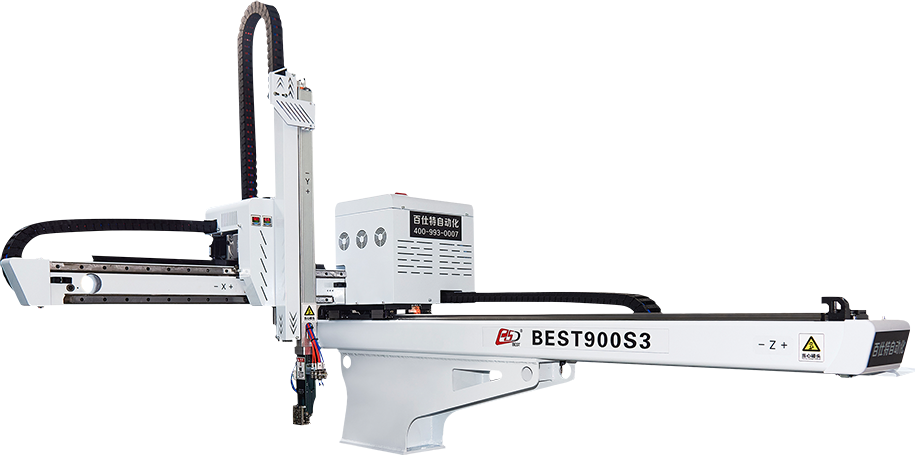
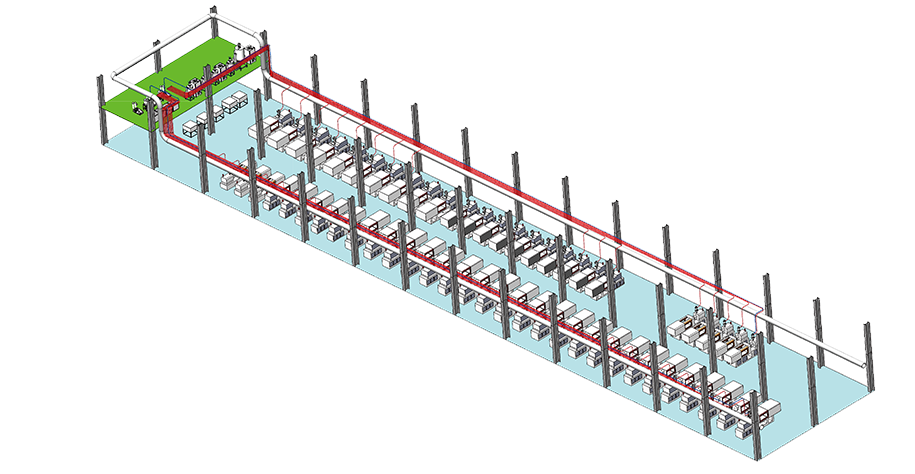
information to be updated
Product
Lathe robot arm is an automated equipment widely used in the field of mechanical manufacturing. It can simulate human arm movements and complete various complex processing tasks. This article will describe the lathe robot arm in detail from four aspects: product features, application fields, classification, and purchasing considerations.
Product Features:
1. Highly Automated: The lathe robot arm can automatically complete various complex processing tasks, reducing manual operations and improving production efficiency.
2. High Flexibility: The lathe robot arm can adjust its working range and posture flexibly according to different processing needs, adapting to various complex working environments.
3. High Precision: The lathe robot arm uses high-precision servo motors and sensors to ensure precision and stability during processing.
4. Good Safety: The lathe robot arm has a comprehensive safety protection function, effectively avoiding safety accidents during operation.
5. Easy Maintenance: The lathe robot arm has a reasonable structural design, making it easy to disassemble and maintain, reducing maintenance costs.
Application Fields:
1. Automotive Parts Manufacturing: The lathe robot arm can be used for processing automotive parts such as engines, transmissions, etc., including drilling, milling, grinding, and other processes.
2. Metal Processing: The lathe robot arm can be used for processing various metal materials, such as stainless steel, aluminum alloy, copper alloy, etc., including cutting, stamping, welding, and other processes.
3. Plastic Products Processing: The lathe robot arm can be used for processing plastic products, such as plastic molds, plastic parts, including drilling, milling, grinding, and other processes.
4. Electronics Industry: The lathe robot arm can be used for assembly, welding, testing, and other processes of electronic products, improving production efficiency and product quality.
5. Medical Device Manufacturing: The lathe robot arm can be used for processing medical devices such as surgical knives, forceps, etc., including cutting, grinding, and other processes.
Classification:
1. According to structural form: lathe robot arms can be classified into cantilever type, joint type, truss type, etc. Cantilever structure is simple and suitable for small machine tools; joint structure is flexible and suitable for large machine tools; truss structure has good rigidity and is suitable for heavy-duty machine tools.
2. According to driving mode: lathe robot arms can be classified into hydraulic drive, pneumatic drive, electric drive, etc. Hydraulic drive has high torque and is suitable for heavy-duty machine tools; pneumatic drive is fast and suitable for high-speed processing; electric drive has high precision and is suitable for precision processing.
Purchasing Considerations:
1. Choose the appropriate type and specifications of the lathe robot arm based on the processing requirements to ensure that it can meet the production task requirements.
2. Choose a lathe robot arm with a good brand reputation to ensure product quality and after-sales service.
3. Consider the cost-effectiveness of the lathe robot arm and choose a reasonably priced product while meeting the processing requirements.
4. Pay attention to the safety performance of the lathe robot arm and choose products with comprehensive safety protection functions.
5. Consider the maintenance cost of the lathe robot arm and choose products that are easy to disassemble and maintain.
6. When purchasing a lathe robot arm, you can consult the manufacturer or supplier about relevant technical parameters and practical application cases to better understand the performance and scope of application of the product.
Zhejiang Shengyu Intelligent Equipment Co., Ltd.
The company's products help enterprises reduce human resources, save production costs, increase output, and achieve automated and unmanned production. We insist on winning customer satisfaction with efficient and fast services, establish a service system, and extend service content to the entire process of pre-sales, sales, and after-sales to achieve comprehensive and thoughtful zero-defect services. Help you build a new intelligent and digital production system factory.
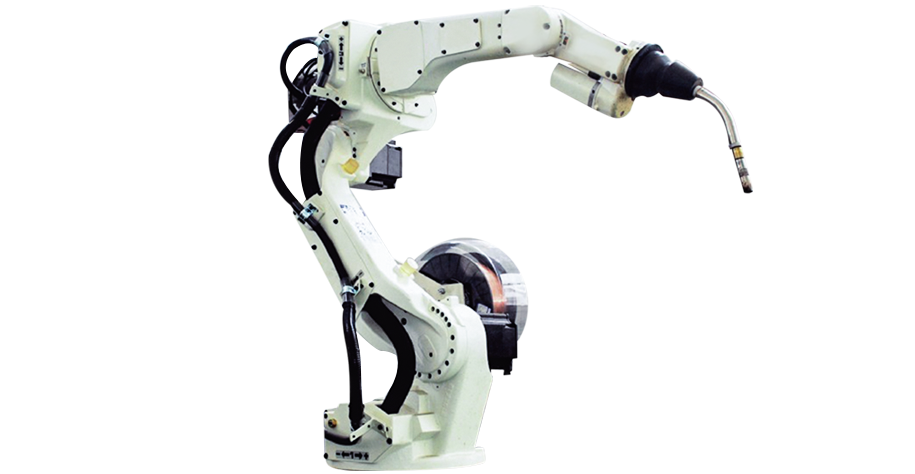
The company's China Lathe Robot Arm factory and sale Lathe Robot Arm manufacturers, main business scope includes industrial robot applications (welding, grinding, loading and unloading, palletizing, spraying, etc.), injection molding machine robot applications (non-standard parts picking, insert embedding, in-mold labeling, etc.), whole plant planning (water Electrical design and construction, central feeding system, AGV, logistics warehousing, etc.), non-standard customization and other automation projects.
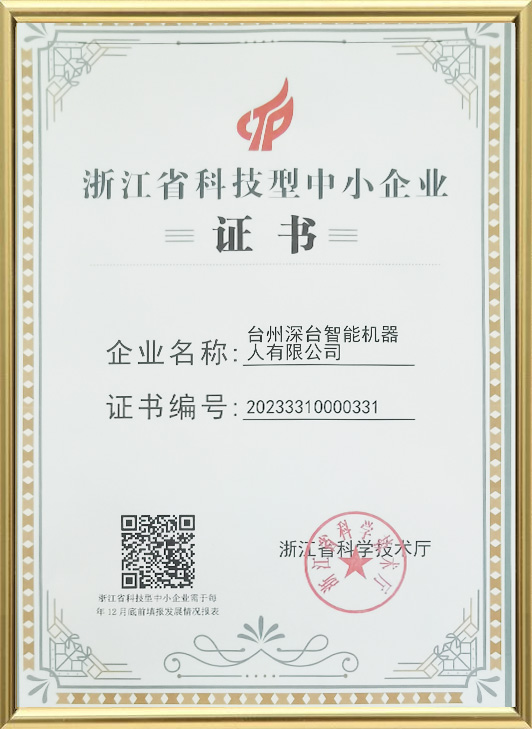
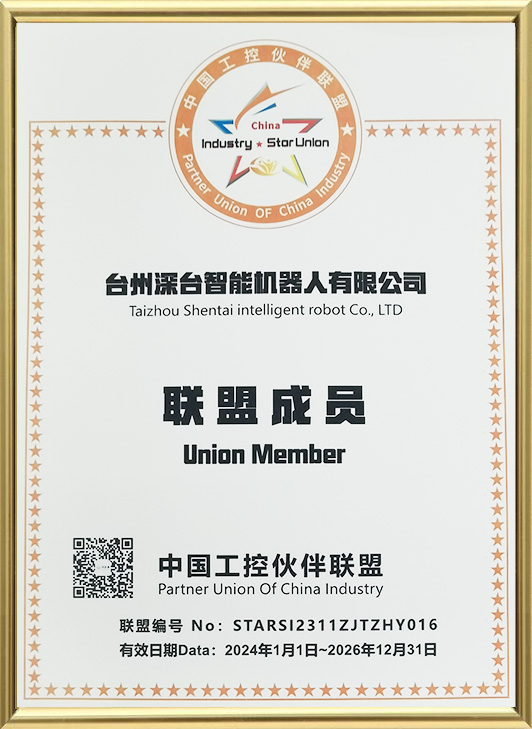
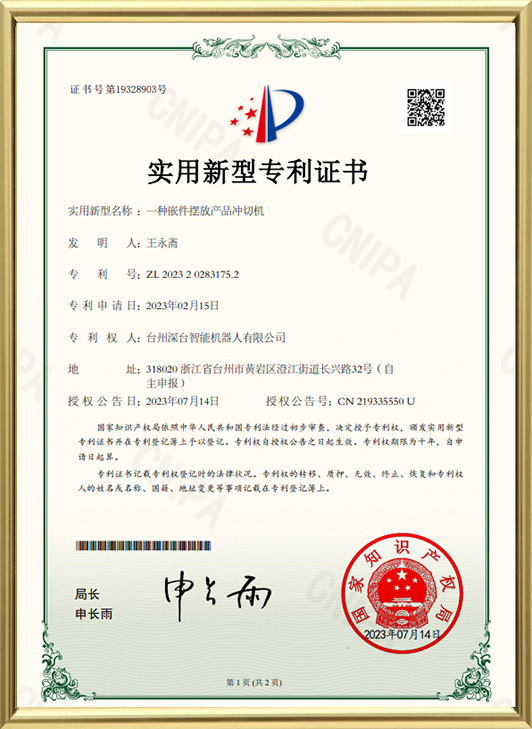
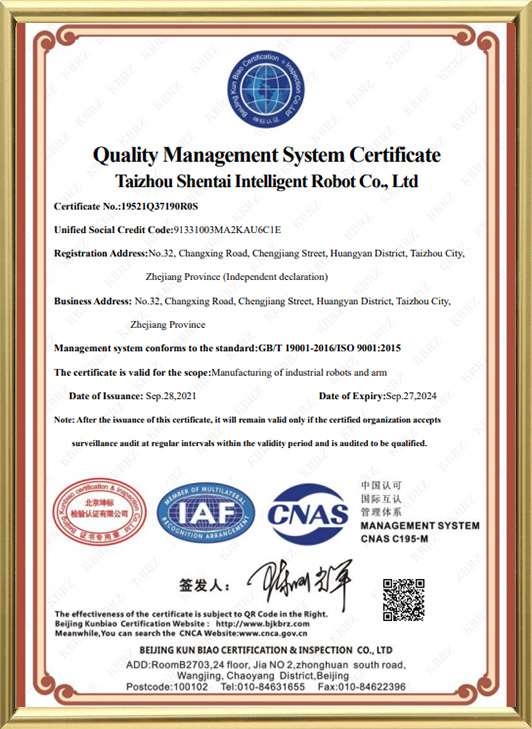
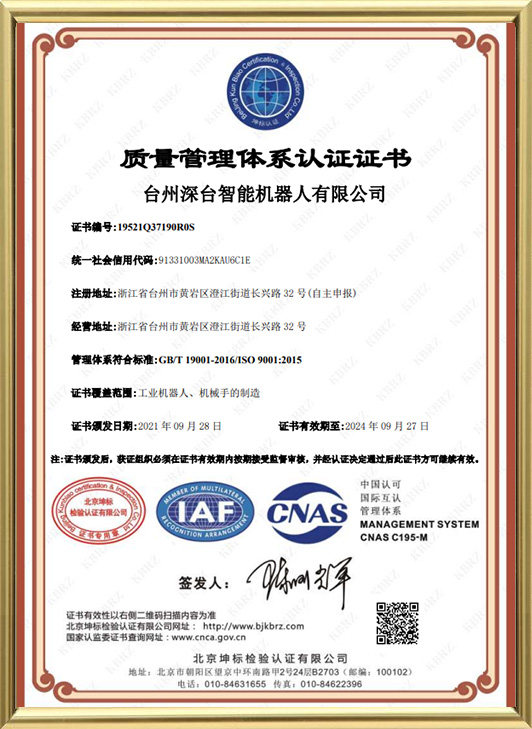
Certificate Of Honor
News center
 Zhejiang Shengyu Intelligent Equipment Co., Ltd. is a high-tech
enterprise integrating R&D, production and sales.
Zhejiang Shengyu Intelligent Equipment Co., Ltd. is a high-tech
enterprise integrating R&D, production and sales.
KEEP IN TOUCH
OUR PRODUCT
CONTACT INFORMATION
-
 Tel: 400-993-0007
-
 Phone: +86-15757678111
-
 Whatsapp: +86-13957600801 / +86-18906545152
-
 Email: w139576833@163.com / best@best-automation.cn
-
 Add: No. 32, Changxing Road, Chengjiang Street, Huangyan District, Taizhou City, Zhejiang Province, China
Copyright © 2024 Zhejiang Shengyu Intelligent Equipment Co., Ltd. All Rights Reserved
Privacy

